XPENG teases Turing AI co-driving and VLA adaptive deceleration for Tech Day
XPENG's Weibo post previews a Turing AI co-driving feature and a VLA adaptive deceleration function it says lifts usable range by 12.4%, both set for the 25 November Tech Day.
XPENG has used its official Weibo account to preview two software features it says will debut at its 2026 Tech Day on 25 November: a "Turing AI co-driving" (图灵 AI 共驾) system, and a first function under its Turing AI assisted driving banner called "VLA adaptive deceleration" (VLA 自适应减速). The company frames the co-driving feature as the industry's first deep application of assisted driving to the human driver's own inputs, and claims the adaptive deceleration function improves usable range by 12.4%. Both are company statements ahead of an event; neither has been demonstrated publicly yet.
What XPENG actually said
The post is short and promotional, so the confirmed detail is limited. Stripping out the marketing language, XPENG states:
- Turing AI co-driving will be shown for the first time at Tech Day, described as "the industry's first deep empowerment of human driving by assisted driving" (行业首次智驾深度赋能人驾).
- Turing AI assisted driving will launch with a first feature, "VLA adaptive deceleration", pitched at a more relaxed and comfortable drive.
- That feature is claimed to raise actual usable range by 12.4%.
- Assisted driving is being integrated across vehicle domains (智能辅助驾驶与整车跨域融合), which XPENG says lets its "physical AI" capabilities apply to more usage scenarios.
The post does not explain how co-driving differs from the assisted driving owners already use, what sensors or compute it requires, which models will receive it, or when. It also does not say whether the 12.4% range figure comes from simulation, a test cycle or real-world measurement. Treat the number as a company claim until XPENG publishes methodology.
Reading the two features
The naming is the most useful signal. "VLA" is the vision-language-action model family XPENG has been building its assisted driving stack around, and this post attaches it to a specific, narrow behaviour: adaptive deceleration. That is a comfort and efficiency function rather than a new driving domain, which fits the claim that it improves usable range — smoother deceleration under assisted driving wastes less energy than abrupt speed changes.
"Co-driving" is the more ambiguous term. XPENG's phrasing suggests the system assists the person steering rather than replacing them, but the post gives no mechanism. Whether this means shared control, proactive interventions, or guidance presented to the driver is not stated. Owners should wait for the Tech Day presentation before drawing conclusions about what the car will actually do.
The cross-domain integration line is consistent with XPENG's broader "physical AI" messaging, but again the post offers no technical specifics — no compute platform, no model size, no rollout plan.
What this means for owners
There is nothing actionable here yet. No OTA date, no model list, and no indication of whether either feature depends on Turing hardware or will reach cars on other compute platforms. XPENG's recent software history shows features arriving first on newer hardware and reaching older cars later, if at all, so the hardware question matters more than the announcement date.
For Australian owners, the usual caveat applies: Chinese-market software announcements typically precede local OTA availability, and XPENG has not commented on regional timing for either feature. The 25 November Tech Day is the point at which more detail should become available. Until then, the 12.4% range claim and the co-driving description should be read as pre-announcement marketing rather than specification.
Sources
- 小鹏汽车 on Weibo — Weibo, 小鹏汽车 (XPENG official account), 20 November 2026.
Photos from the source posts
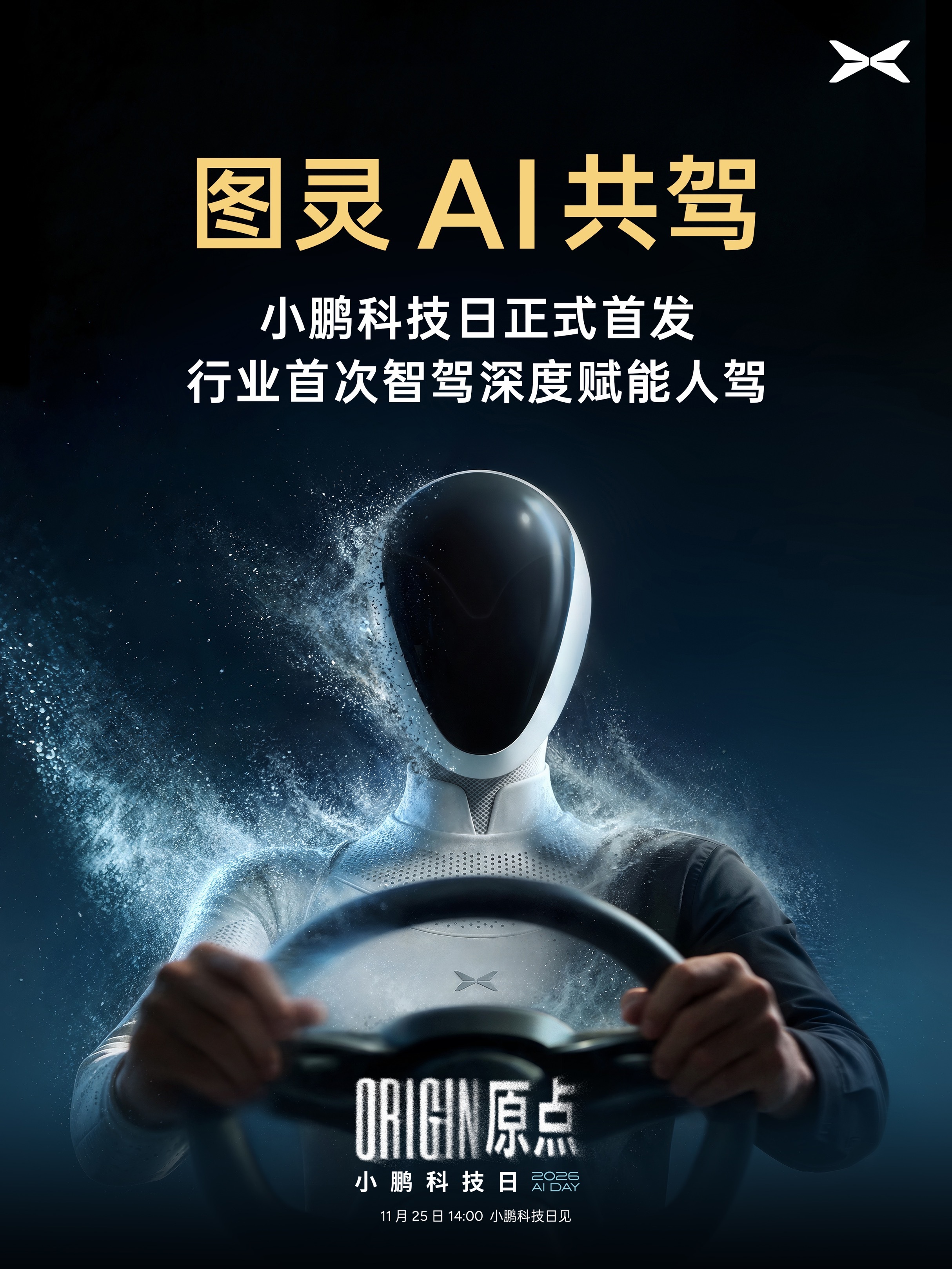 Photo: 小鹏汽车 on Weibo — original post
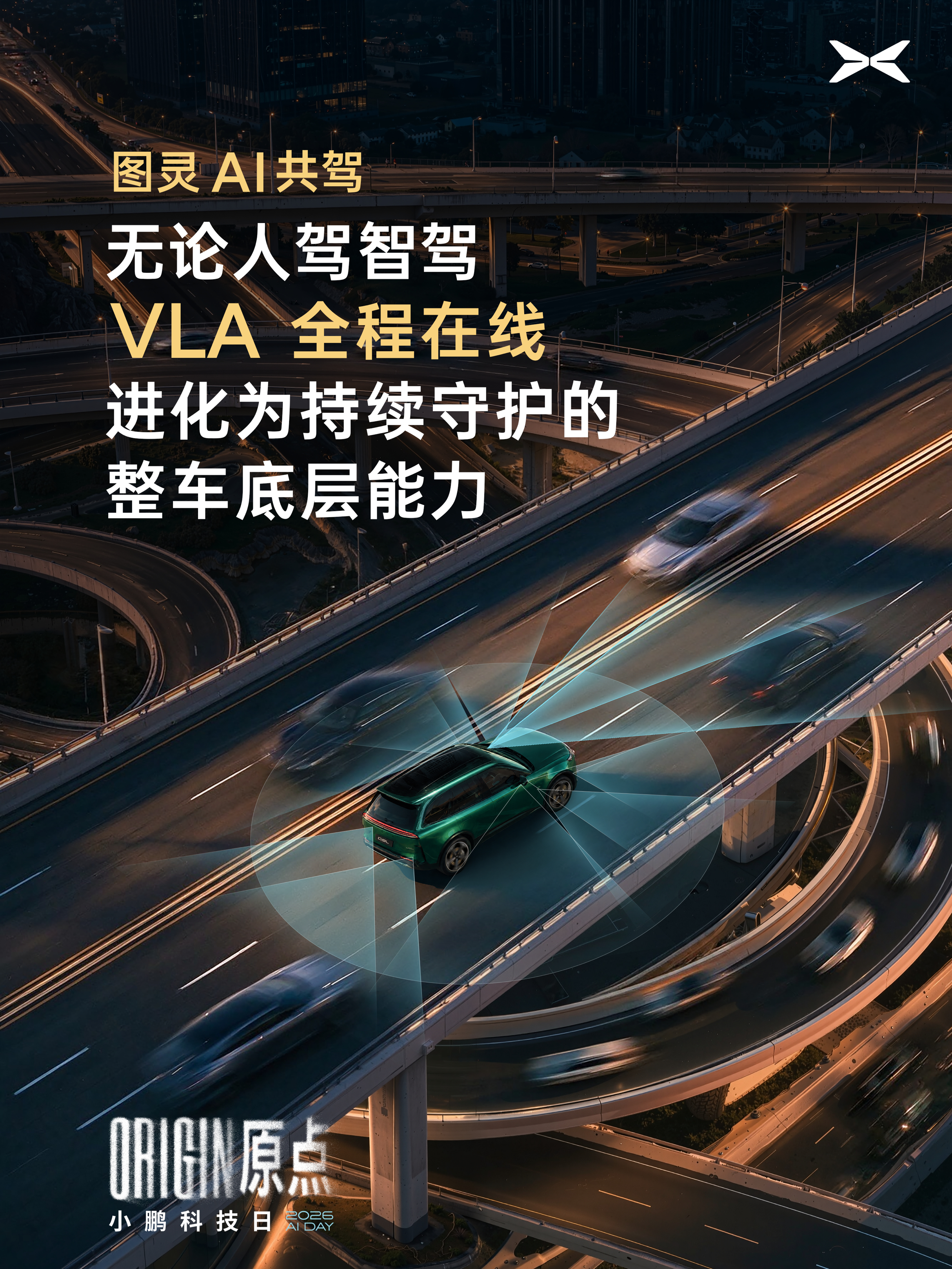 Photo: 小鹏汽车 on Weibo — original post
Enjoyed this? Get the next one direct.
New articles, or a daily / weekly digest — delivered to your inbox.